
What Happens When You Don’t Record Your Family’s Stories
My Nana had Alzheimer’s.
It didn’t happen all at once. It crept in. And it taught me more about recording family stories than anything else ever has.
A forgotten name here, a repeated story there. Then gradually, the stories themselves started to change. Details shifted. Timelines got muddled. And eventually, the stories stopped altogether.
I remember sitting with her one afternoon and realising that the woman in front of me knew less about her own current life than I did. She couldn’t remember any of the holidays she had taken to Italy the past few years. She couldn’t remember her grandchildren growing up. She couldn’t remember what she’d had for breakfast.
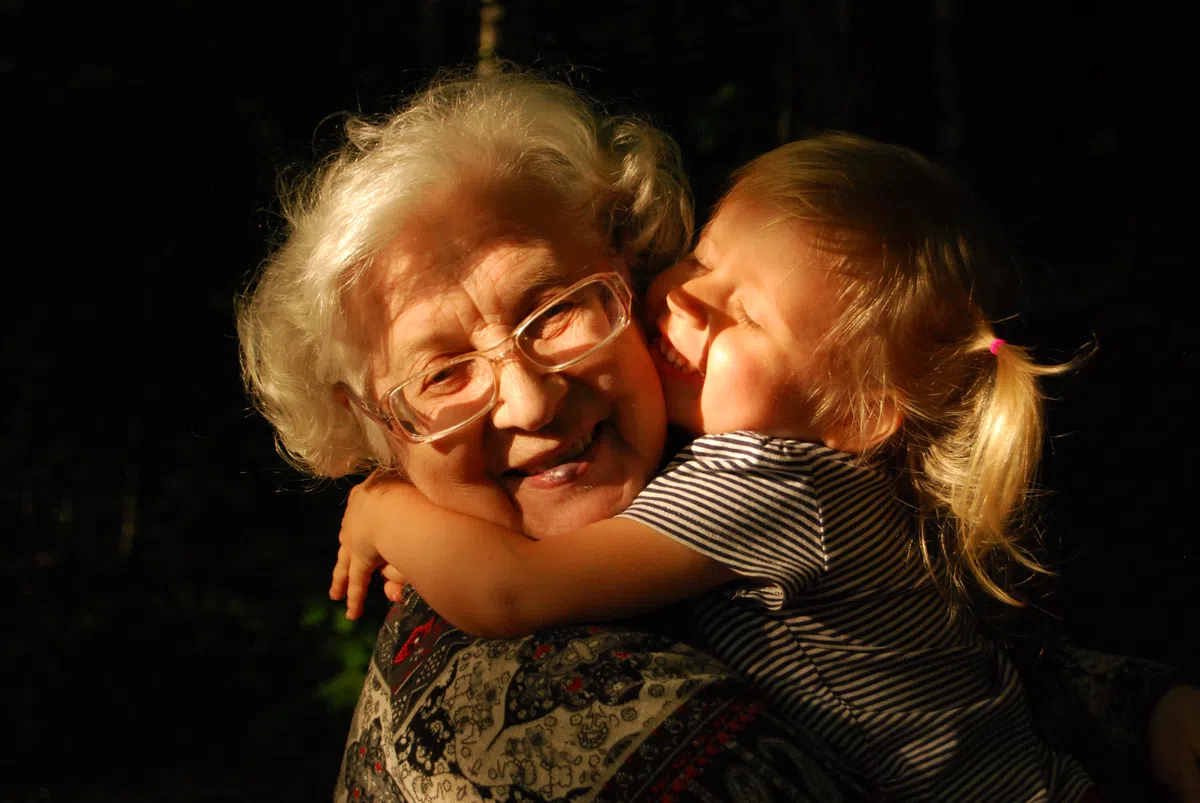
And I thought: where did it all go?
The answer, of course, is that it didn’t go anywhere. It was never written down. It only ever existed in her head, and when her mind started to go, so did everything inside it.
The stories you think you know
Most of us walk around thinking we know our parents’ stories. We’ve heard the big ones. The wedding. The house they bought. The holiday that went wrong. The time Dad nearly burned the kitchen down.
But those are the headlines. The surface. Underneath them are hundreds of stories that have never come up because nobody thought to ask.
What was your Mum’s first day at work like? What did she want to be when she was twelve? Who was her best friend at school, and what happened to them? What’s the bravest thing she ever did? What does she worry about? What makes her proudest?
You probably don’t know the answers to most of those. And if you don’t ask, you might never know.
It’s not about dying
I want to be clear about this, because it’s easy for a post like this to slip into something gloomy, and that’s not what I’m trying to do.
Recording your family’s stories isn’t about preparing for someone to die. It’s about celebrating the life they’re living right now. It’s about saying: “Your stories are worth keeping. You are worth remembering.”
Most parents light up when they’re asked. They’re surprised that anyone wants to know. They’ve been carrying these memories around for decades, assuming nobody was interested. And then their daughter or son says, “Actually, I’d love to hear about that.” And something shifts.
The conversations that come out of it are often the best ones families have ever had.
What actually gets lost
When someone dies without their stories being recorded, the loss isn’t just the facts. It’s the texture. The way they described things. Their sense of humour. Their particular turn of phrase. The stories that made them them.
My Brother David and I lost our Dad when we were young adults. He’d lived abroad for much of his life. When he died, his stories went with him. I have the headline version of his life, but not the details. Not his voice. Not the small, funny, specific memories that would make him feel real to my own children.
That’s the gap you’re left with. Not the big facts… you can usually piece those together from other relatives. It’s the small things. And once they’re gone, they’re gone.
It’s easier than you think
The reason most families never record their stories isn’t that they don’t care. It’s that they don’t know where to start. The idea of sitting your parent down and saying “tell me everything” feels too big, too formal, too much like an interview.
That’s why we built YourStory the way we did. A wide range of guided questions, broken down into topics, answered at your parent’s own pace. They don’t need to sit down for a three-hour session. They can answer a question over a cup of tea. They can do one a day, or one a week, or a handful on a rainy afternoon.
The Perfect Path gives them 10 questions to start with. Gentle, specific, easy to answer. Most people choose between 25-40 questions and feel that’s covered enough for them. And because there’s no deadline and no subscription, they can take as long as they need.
When they’re finished, we print everything into a large-format hardback book. Nearly A4. Their words, their photos, their stories. In their own ‘voice’, exactly as they wrote it.
Start before you think you need to
This is the thing I really want to say, and I mean it from the heart.
Nobody ever regretted starting too early. But an awful lot of people regret starting too late.
You don’t need to wait for a milestone birthday. You don’t need to wait for retirement, or Christmas, or the “perfect moment.” There isn’t one. There’s just now, and the stories your parent is still able to tell.
If you’ve been thinking about this, take a look at yourstory.co.uk. Or just start by asking your Mum or Dad one question this weekend. Any question. See what comes back.
You’ll be glad you did.
Alyson